
Why Do I Grind My Teeth at Night? Signs, Causes, and Treatment Options
Do you wake up with a sore jaw, a dull headache, or teeth that feel unusually sensitive? You may be grinding your teeth while you sleep without even realizing it.
Nighttime teeth grinding, medically known as sleep bruxism, happens when you involuntarily clench or grind your teeth during sleep. Stress, sleep-related conditions, certain medications, and lifestyle factors may contribute. Over time, frequent grinding can wear down tooth enamel, damage dental restorations, and cause jaw discomfort.
At Saucon Valley Dental in Hellertown, PA, we help patients recognize signs of teeth grinding and explore appropriate ways to protect their smiles, including mouth guards when recommended.
What Is Bruxism, and Why Does It Happen at Night?
Bruxism is the medical term for involuntary teeth grinding or clenching. It can happen while you're awake or asleep.
Sleep bruxism is particularly difficult to recognize because you may not know it's happening. Sometimes, a family member notices grinding sounds before the person experiencing them recognizes any symptoms.
Researchers have not identified one single cause of bruxism. Instead, several factors may contribute to the condition.
Stress and Anxiety
Stress and emotional tension are associated with teeth grinding and jaw clenching.
Even when you're resting, your jaw muscles may remain active during sleep. People experiencing significant stress may notice more frequent symptoms, although stress is not the only possible explanation.
Sleep-Related Conditions
Nighttime grinding can sometimes occur alongside sleep disorders, including obstructive sleep apnea.
If you regularly snore, wake up gasping, or experience significant daytime sleepiness, tell your healthcare provider. These symptoms may warrant additional evaluation.
Caffeine, Alcohol, and Tobacco
Certain lifestyle factors have been associated with bruxism, including caffeine consumption, alcohol use, and smoking.
Reducing these exposures, particularly later in the day, may help some patients manage symptoms.
Medications and Other Factors
Certain medications, including some antidepressants, may be associated with teeth grinding. Genetics may also play a role.
Your dentist can review your symptoms and medical history to help identify potential contributing factors.
Never stop taking prescribed medication without consulting your prescribing healthcare professional.
What Are the Signs You Grind Your Teeth While Sleeping?
Because sleep bruxism happens unconsciously, its symptoms may be more noticeable than the grinding itself.
Common warning signs include:
- Jaw soreness or tightness when waking up
- Morning headaches, especially around the temples
- Tooth sensitivity to hot or cold temperatures
- Flattened or worn tooth surfaces
- Chipped or cracked teeth
- Tender facial or jaw muscles
- Damage to existing dental restorations
- Grinding noises noticed by a sleeping partner
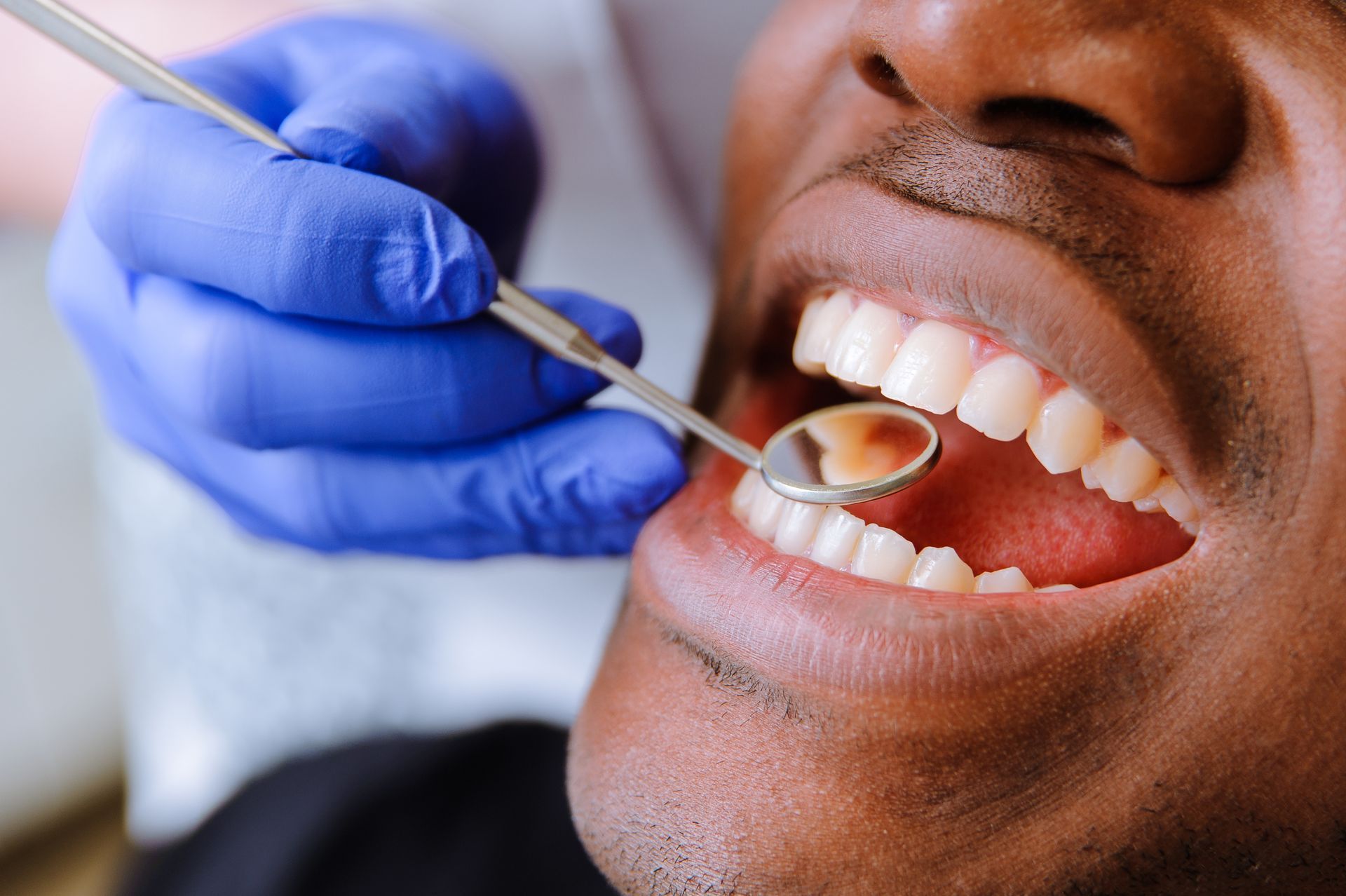
Not everyone who grinds their teeth experiences pain. Some people discover the problem during a routine dental examination when their dentist identifies unusual wear patterns.
The National Institute of Dental and Craniofacial Research explains that bruxism can affect the teeth, jaw muscles, and surrounding facial structures.
Can Grinding Your Teeth Damage Your Smile?
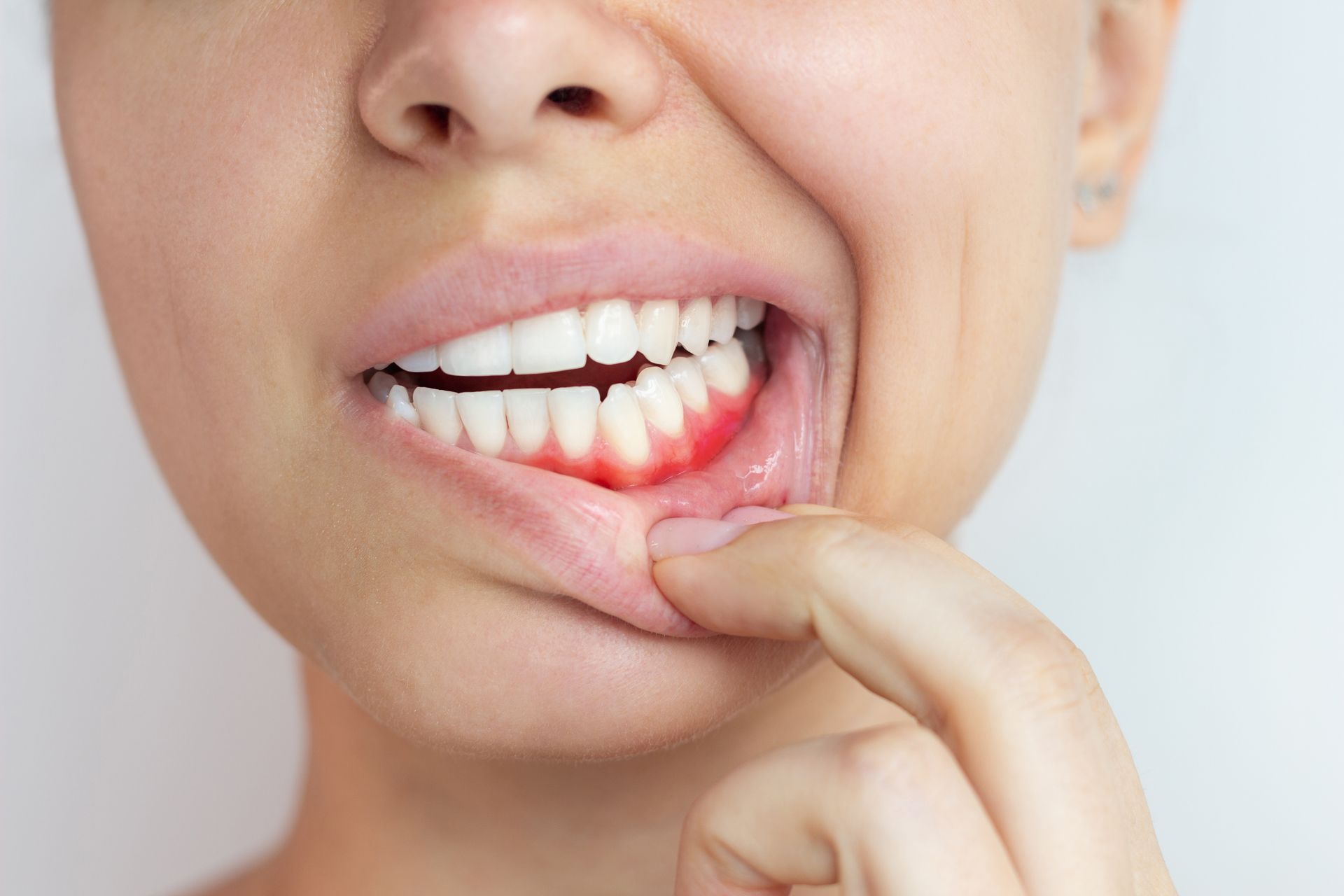
Yes. Frequent or severe teeth grinding can gradually damage enamel, contribute to tooth fractures, and place additional strain on the jaw muscles.
Tooth enamel protects the sensitive inner structures of your teeth. When grinding causes significant enamel wear, teeth may become more vulnerable to sensitivity and damage.
Bruxism may also contribute to:
Worn or Flattened Teeth
Repeated grinding can gradually change the shape of your biting surfaces.
Chipped or Cracked Teeth
Excessive pressure may increase the risk of tooth damage, particularly when teeth already have weakened areas or existing restorations.
If you've experienced a fracture, our article about broken tooth repair options explains how different dental treatments may help restore damaged teeth.
Damaged Fillings or Crowns
Grinding can place additional stress on dental restorations. Your dentist may recommend monitoring or replacing restorations that show signs of damage.
Jaw Muscle Discomfort
Repeated clenching can fatigue the muscles responsible for chewing, contributing to soreness, tightness, or headaches.
Identifying these changes early can help protect your natural teeth and reduce the risk of more extensive dental treatment.
Is Morning Jaw Pain a Sign of Teeth Grinding?
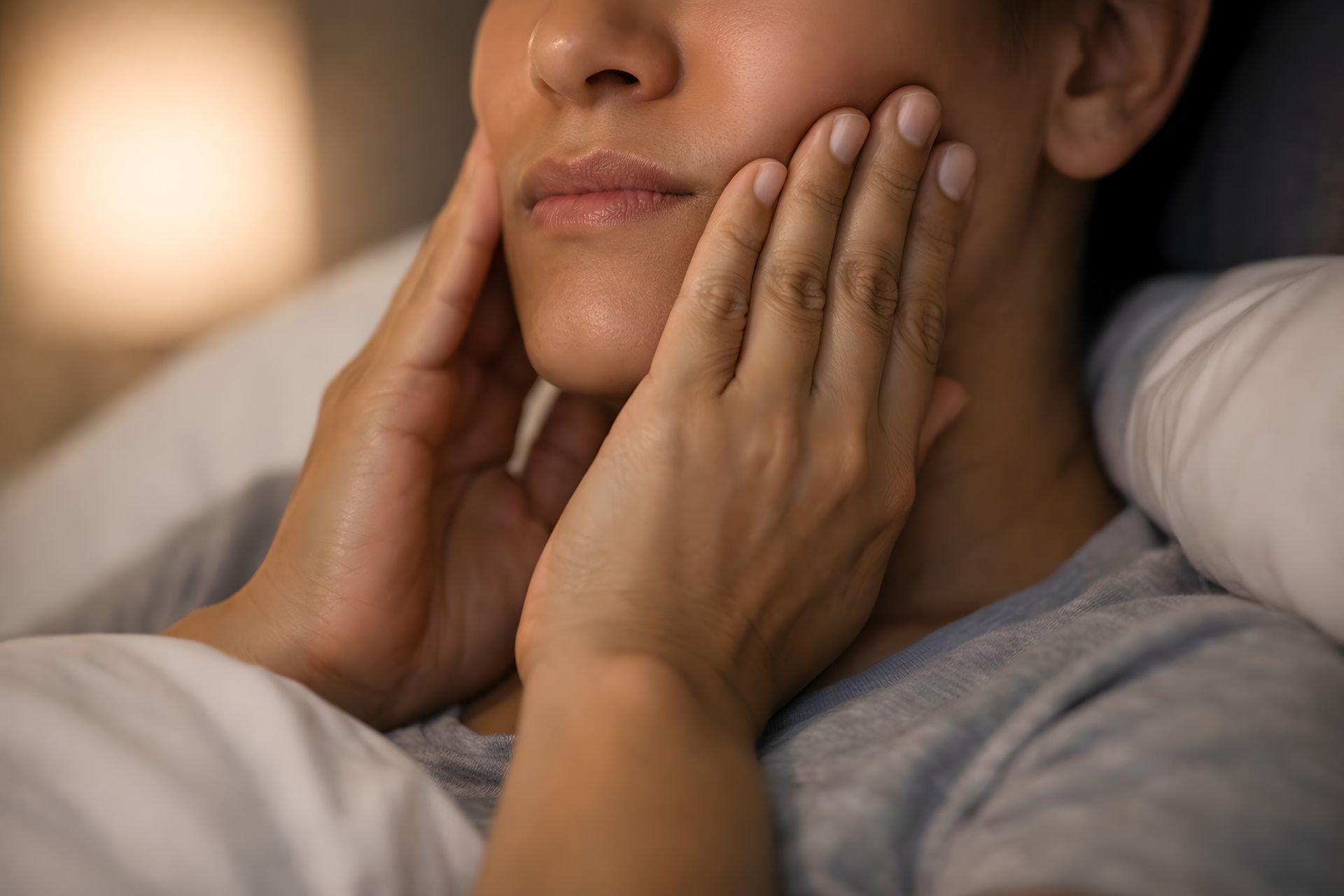
Morning jaw pain can be associated with nighttime teeth grinding, but it is not always caused by bruxism.
Jaw discomfort may also result from temporomandibular disorders (TMD), muscle tension, arthritis, dental infections, or other conditions.
The temporomandibular joints, commonly called the TMJs, connect your lower jaw to your skull and help you speak, chew, and open your mouth.
Symptoms that deserve attention include:
- Jaw pain that keeps returning
- Difficulty opening your mouth comfortably
- Pain while chewing
- Jaw locking
- Persistent headaches or facial discomfort
Because jaw pain can have multiple causes, an examination is important before choosing treatment.
The NIDCR's information about temporomandibular disorders provides additional guidance about symptoms and conservative treatment approaches.
Can a Night Guard Help With Teeth Grinding?
A properly fitted night guard can help protect your teeth from the forces of grinding and clenching during sleep.
A night guard is a removable dental appliance worn over the teeth. It creates a protective barrier between the upper and lower teeth, helping reduce direct tooth-to-tooth contact.
However, a night guard does not necessarily stop bruxism itself, and it is not guaranteed to relieve jaw pain.
Custom Night Guards vs. Store-Bought Options
Over-the-counter night guards are available, but they may not fit as precisely as professionally made appliances.
A dentist can evaluate your teeth, bite, symptoms, and oral health to determine whether a custom appliance is appropriate.
A properly designed guard should fit comfortably and protect the teeth without intentionally creating permanent changes to your bite.
Saucon Valley Dental offers TMJ/TMD support with mouth guards as part of its comprehensive dental services.
The right recommendation depends on your examination and individual needs.
What Can You Do to Reduce Teeth Grinding?
Some daily habits may help reduce contributing factors and improve comfort.
Practice Stress Management
Relaxation techniques such as deep breathing, meditation, or gentle physical activity may help reduce stress-related tension.
Maintain a Consistent Sleep Routine
Going to bed and waking up at consistent times can support healthier sleep habits.
Limit Evening Stimulants
Consider reducing caffeine and alcohol consumption, especially close to bedtime.
Avoid Unnecessary Jaw Strain
If your jaw feels sore, avoid chewing gum or frequently biting hard objects. Softer foods may be more comfortable during periods of discomfort.
Notice Daytime Clenching
Try to keep your teeth slightly apart when your jaw is at rest. Becoming more aware of daytime clenching may help reduce unnecessary muscle tension.
Schedule a Dental Evaluation
If symptoms persist, a dentist can assess whether bruxism, another dental problem, or a jaw-related condition may be contributing.
These steps can support your oral health, but they do not replace professional care when symptoms are ongoing.
When Should You See a Dentist About Teeth Grinding?
Consider scheduling an appointment if you regularly wake up with jaw soreness, notice increasing tooth sensitivity, or suspect your teeth are becoming worn or damaged.
You should also seek an evaluation if:
- A family member hears you grinding your teeth
- You experience recurring morning headaches
- Your jaw frequently feels tired or tight
- You notice chipped teeth or damaged fillings
- Chewing becomes uncomfortable
If jaw pain is severe, accompanied by swelling or fever, or your jaw becomes locked, seek prompt professional evaluation.
Regular dental examinations can also help identify grinding-related changes before they become more serious.
Why do I grind my teeth at night without knowing it?
Sleep bruxism involves involuntary jaw muscle activity while you're asleep. Stress, genetics, certain medications, and sleep-related conditions may contribute. Because it happens unconsciously, many people recognize symptoms before noticing the grinding itself.
Can teeth grinding cause headaches?
Yes. Frequent grinding or clenching can strain jaw muscles and contribute to headaches, particularly around the temples. However, headaches have many possible causes, so recurring symptoms should be evaluated.
Will a night guard stop me from grinding my teeth?
Not necessarily. A night guard primarily protects teeth from grinding-related damage. It may help some patients with muscle activity or discomfort, but it does not reliably eliminate the underlying grinding habit.
Can teeth grinding go away on its own?
Some cases are temporary or mild, while others persist. Improvement depends on contributing factors. A dentist can help determine whether monitoring, protective treatment, or additional evaluation is appropriate.
How do I know if I need a night guard?
A dentist can evaluate symptoms such as worn teeth, jaw tenderness, headaches, or damaged restorations and determine whether a night guard may help protect your teeth.
Teeth Grinding and Mouth Guard Evaluations in Hellertown, PA
Your teeth are designed to withstand everyday chewing, but repeated nighttime grinding can expose them to unnecessary stress.
At Saucon Valley Dental, we focus on personalized, preventive dental care that helps patients maintain healthy, comfortable smiles.
Led by Jeffrey R. Wert, DMD, our practice provides comprehensive family dentistry in Hellertown, PA, including dental examinations, restorative services, and TMJ/TMD support with mouth guards.
If you're waking up with jaw discomfort or suspect you're grinding your teeth, our team can evaluate your oral health and discuss appropriate options for protecting your smile.
Contact Saucon Valley Dental to request an appointment or call 610-748-7001.
Recent Posts