Why Broken Teeth Should Be Treated Quickly
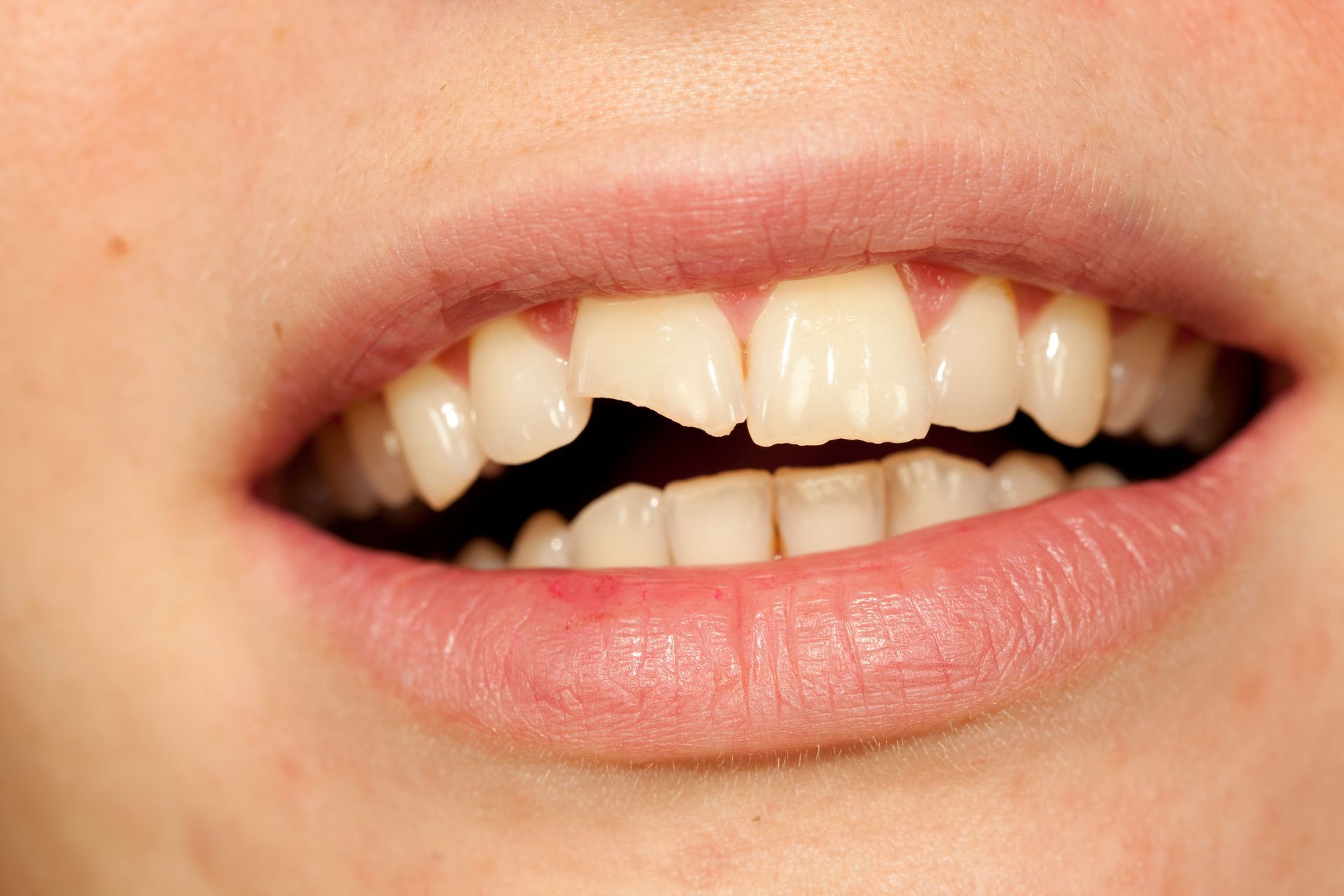
Even small fractures can create vulnerabilities inside the tooth structure.
A damaged tooth may become more sensitive to:
- pressure
- temperature
- bacteria
- further cracking
Without treatment, the fracture may continue spreading deeper into the tooth over time.
Prompt
emergency dental care helps:
- reduce pain
- stabilize the tooth
- prevent worsening damage
- improve long-term restoration success
The sooner treatment begins, the more conservative the repair process may be.
Common Causes of Broken Teeth
Many patients are surprised by how easily teeth can crack under the right conditions.
Common causes include:
- chewing hard foods
- teeth grinding
- untreated cavities
- sports injuries
- weakened fillings
- accidental trauma
Teeth that already contain large restorations may sometimes be more vulnerable to fractures as well.
Dental Bonding for Minor Tooth Damage
For smaller chips or fractures,
dental bonding is often one of the fastest restoration options available.
This treatment uses tooth-colored composite material to:
- rebuild damaged areas
- improve appearance
- restore shape
- strengthen the tooth
Bonding is commonly used for:
- small chips
- cosmetic damage
- minor fractures
The treatment is minimally invasive and often completed in a single visit.
Dental Crowns for Larger Fractures
More significant breaks may require a
dental crown.
A crown acts like a protective cap placed over the damaged tooth to:
- restore strength
- improve durability
- protect against further fractures
- restore chewing function
Modern crowns are designed to blend naturally with surrounding teeth while providing long-term structural protection.
For many moderate-to-severe fractures, crowns are one of the most reliable
tooth restoration solutions available.
When a Root Canal May Be Necessary
If the fracture extends deep enough to affect the tooth nerve, additional treatment may be needed.
Symptoms that sometimes indicate deeper damage include:
- severe pain
- lingering sensitivity
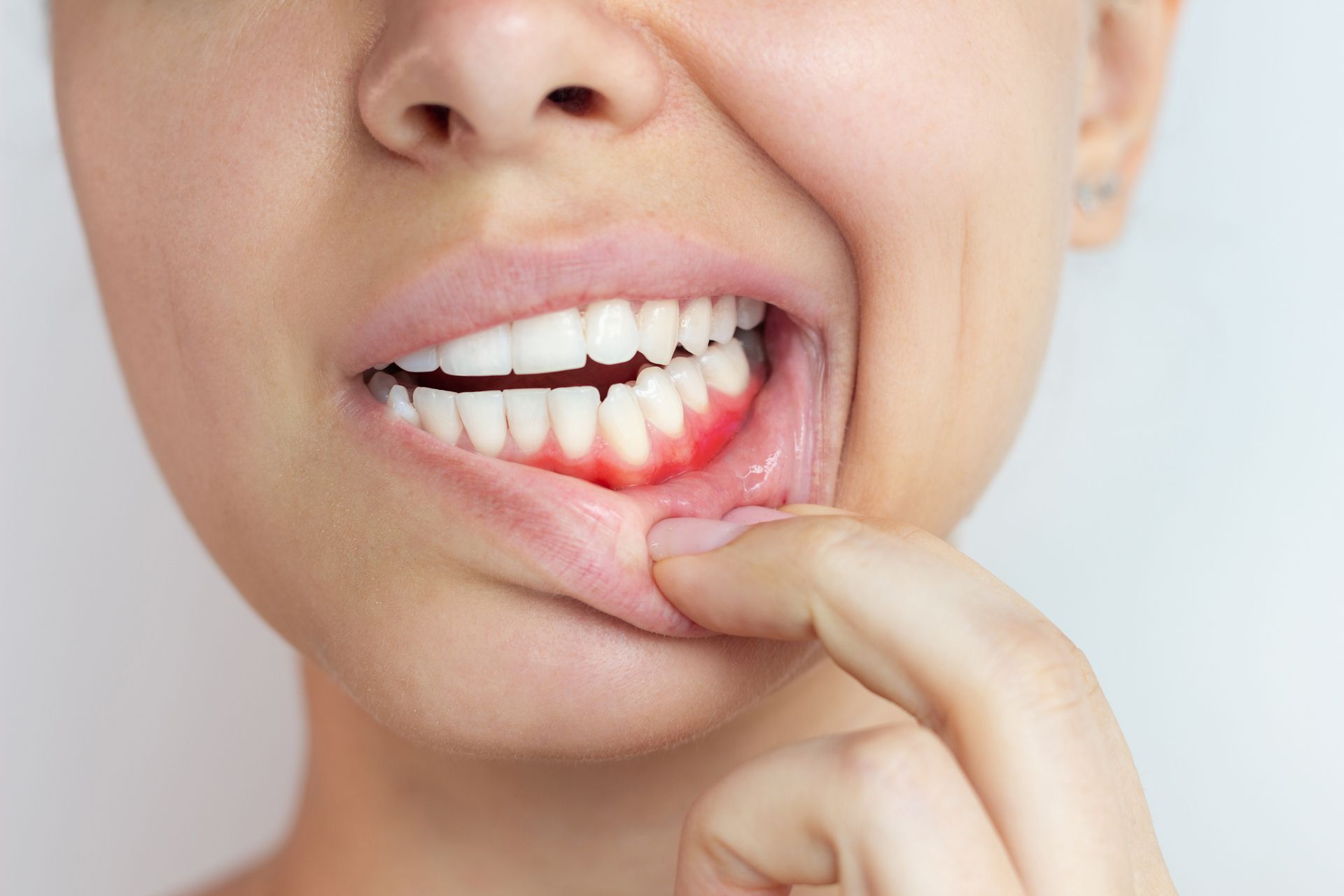
- swelling
- infection
In these cases,
root canal treatment may help save the tooth by removing damaged internal tissue while preserving the outer tooth structure.
Afterward, the tooth is often protected with a crown for long-term stability.
Why Modern Restorations Look More Natural Than Ever
One reason many patients delay treatment is fear that the restoration will look obvious.
Today’s
cosmetic dental restorations are designed to closely match:
- tooth color
- shape
- contour
- natural appearance
Advancements in dental materials allow many repairs to blend seamlessly with surrounding teeth.
The result is both functional and aesthetically natural.
Ignoring a Broken Tooth Can Lead to Bigger Problems
Some patients postpone treatment because the damage initially seems minor.
However, untreated fractures may eventually lead to:
- worsening cracks
- bacterial infection
- tooth abscesses
- structural collapse
- tooth extraction
Addressing the issue early often helps preserve more of the natural tooth.
Why Preventive Care Still Matters
While accidents cannot always be prevented, routine
preventive dental care helps identify weaknesses before major fractures occur.
Regular dental visits may help detect:
- worn enamel
- grinding damage
- weakened fillings
- small cracks
Early treatment can often prevent larger restorative procedures later.
Fast Treatment Can Protect Your Smile Long Term
A broken tooth does not always mean losing the tooth. Modern restorative dentistry offers highly effective solutions designed to restore comfort, function, and appearance while protecting long-term oral health.
Saucon Valley Dental provides professional
broken tooth repair, restorative dentistry, and emergency dental treatments designed to restore healthy, confident smiles quickly and comfortably.