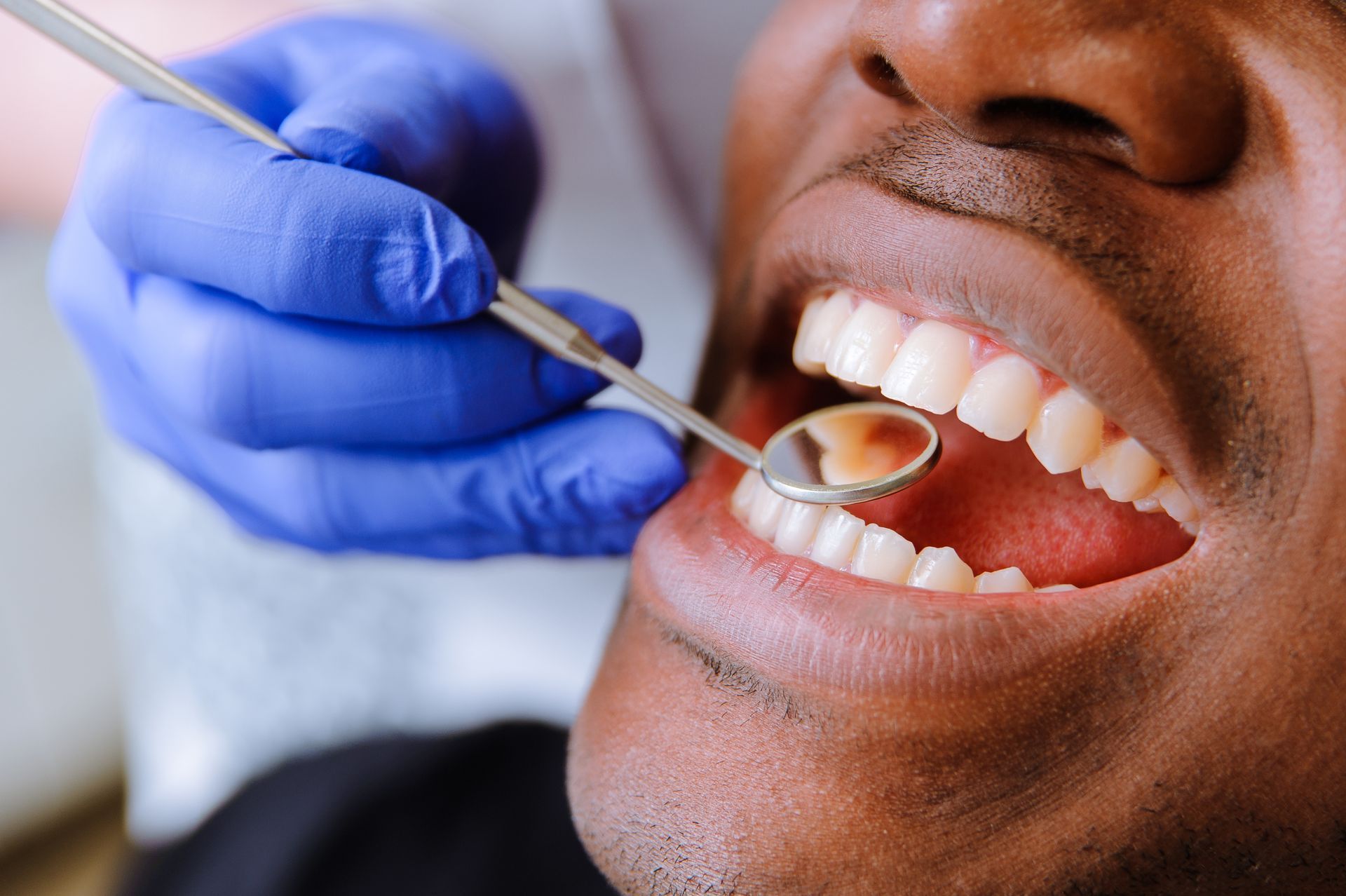

Why Are My Gums Bleeding? Common Causes and When to See a Dentist
Bleeding gums can happen for several reasons, but recurring bleeding should not simply be ignored. Plaque buildup and gingivitis are common causes, while brushing or flossing technique and other health factors may also contribute. If your gums regularly bleed, appear swollen or tender, or are beginning to pull away from your teeth, a dental evaluation can help identify the cause.
At Saucon Valley Dental, we provide comprehensive dental care, including periodontal gum therapy, for patients in Hellertown, PA, and surrounding communities. Addressing changes in your gums early can help protect the tissues and bone that support your teeth.

Why Are My Gums Bleeding?
One of the most common reasons gums bleed is inflammation caused by plaque buildup around the gumline.
Plaque is a sticky film containing bacteria that continuously forms on the teeth. When plaque is not removed effectively through brushing and cleaning between the teeth, it can irritate the gums. Over time, plaque can also harden into tartar, which requires professional dental cleaning to remove.
The early stage of gum disease is known as gingivitis. Gingivitis can cause gums to become red, swollen, tender, and more likely to bleed.
However, bleeding gums do not automatically mean that you have gum disease. Irritation from brushing too aggressively, changes in your flossing routine, certain medications, hormonal changes, and some health conditions may also affect your gums.
Because there are several possible causes, persistent or unexplained bleeding is worth discussing with your dentist.
Can Bleeding Gums Be a Sign of Gum Disease?
Yes. Bleeding gums are one of the possible warning signs of periodontal, or gum, disease.
Gum disease begins when bacteria and plaque contribute to inflammation around the gums. In its earliest form, gingivitis, the condition may cause redness, swelling, tenderness, or bleeding.
According to the Centers for Disease Control and Prevention, gingivitis is a reversible form of gum disease. When gum disease progresses to periodontitis, however, it can affect the tissues and bone supporting the teeth.
This distinction is one reason early dental evaluation matters. Finding gum inflammation before significant damage develops can provide an opportunity to address the problem and protect your long-term oral health.
What Are Other Signs of Gum Disease?
Bleeding is not the only change that can indicate a problem with your gums.
Other signs of gum disease may include:
- Red, swollen, or tender gums
- Gums that are pulling away from the teeth
- Persistent bad breath
- Sensitive or loose teeth
- Pain while chewing
- Changes in the way your teeth fit together when you bite
The National Institute of Dental and Craniofacial Research notes that gum disease can eventually affect the structures that hold the teeth in place.
You do not need to wait until symptoms become painful or severe to have your gums checked. Gum disease can progress without causing significant discomfort, making regular dental examinations an important part of maintaining oral health.
Why Do My Gums Bleed When I Brush?
If you notice blood on your toothbrush or in the sink after brushing, there are several possible explanations.
Brushing too aggressively or using a toothbrush that is too firm may irritate delicate gum tissue. Plaque-related inflammation can also make the gums more sensitive and likely to bleed during normal brushing.
Switching to a soft-bristled toothbrush and using gentle pressure can help reduce unnecessary irritation. However, changing your brushing technique does not replace an evaluation if bleeding continues.
If your gums regularly bleed despite gentle brushing, schedule a dental visit so the underlying cause can be evaluated.
Should I Stop Flossing If My Gums Bleed?
Bleeding gums can make people hesitant to continue flossing, but cleaning between your teeth remains an important part of oral hygiene.
The American Dental Association explains that cleaning between the teeth helps remove plaque and debris from areas a toothbrush may not effectively reach. When plaque remains between the teeth and around the gumline, gum tissue can become inflamed.
Floss should be guided gently between the teeth rather than snapped into the gums. If you are unsure whether you are flossing correctly, your dental team can demonstrate a technique appropriate for your needs.
Persistent bleeding should still be evaluated rather than assumed to be a normal result of flossing.
Can Gingivitis Be Reversed?
Gingivitis caused by plaque buildup can often be reversed when it is identified and addressed early.
Improving daily oral hygiene and receiving appropriate professional dental care can help reduce plaque and inflammation. Once plaque hardens into tartar, however, brushing and flossing at home cannot remove it. A professional cleaning is necessary.
More advanced periodontal disease is different. Periodontitis involves damage to the structures supporting the teeth and requires professional management.
This is why recognizing bleeding, swelling, or other gum changes early can make a meaningful difference.
How Does a Dentist Evaluate Bleeding Gums?
When you visit a dentist because of bleeding gums, the goal is to determine what is causing the bleeding rather than simply treating the symptom.
Depending on your individual needs, your dental evaluation may include an examination of the gum tissue and teeth, assessment for plaque or tartar buildup, and measurement of the spaces around the teeth to look for signs of periodontal disease.
Your dentist can then recommend care based on what is found.
For some patients, professional cleaning and improved home care may be appropriate. Patients with more significant periodontal disease may require additional gum therapy.
Saucon Valley Dental offers professional cleanings and periodontal therapy as part of our comprehensive dental services in Hellertown.
How Can You Help Keep Your Gums Healthy?
Healthy gums depend on both consistent care at home and regular professional dental care.
Helpful habits include:
- Brush your teeth twice each day with fluoride toothpaste.
- Use a soft-bristled toothbrush and gentle pressure.
- Clean between your teeth regularly.
- Avoid tobacco products.
- Pay attention to changes in your gums.
- Attend dental exams and professional cleanings on the schedule recommended for your individual needs.
Regular preventive care also gives your dental team an opportunity to identify gum inflammation and other concerns that may not yet be causing noticeable symptoms.
Learn more about why preventive dental care matters and how routine visits can support your long-term oral health.
When Should You See a Dentist for Bleeding Gums?
An isolated instance of bleeding does not necessarily mean something serious is wrong. However, recurring or unexplained bleeding deserves attention.
Consider scheduling a dental evaluation if your gums:
- Bleed frequently when brushing or flossing
- Remain red, swollen, or tender
- Appear to be pulling away from your teeth
- Are accompanied by persistent bad breath
- Are associated with loose or sensitive teeth
- Continue bleeding despite gentle oral hygiene
A dentist can determine whether the bleeding is related to gingivitis, periodontal disease, irritation, or another factor and recommend appropriate next steps.
Get Help for Bleeding Gums in Hellertown, PA
Bleeding gums are easy to dismiss, especially when they do not hurt. However, recurring bleeding can be an early indication that your gums need attention.
At Saucon Valley Dental, we focus on prevention, comfort, and long-term oral health for patients and families in Hellertown, Pennsylvania, and surrounding communities. Our dental services include professional cleanings, examinations, and periodontal gum therapy tailored to each patient's needs.
If you have noticed persistent bleeding, swelling, tenderness, or another change in your gums, contact Saucon Valley Dental to request an appointment and have your gum health evaluated.
Why do my gums bleed when I brush?
Gums may bleed because of plaque-related inflammation, gingivitis, or irritation from brushing too aggressively. If the bleeding happens regularly or continues despite gentle brushing, schedule a dental evaluation to determine the cause.
Are bleeding gums always a sign of gum disease?
No. Gum disease is a common cause of bleeding gums, but irritation, changes in oral hygiene habits, medications, hormonal changes, and other health factors can also contribute. A dentist can help identify the cause of persistent bleeding.
Should I keep flossing if my gums bleed?
Cleaning between your teeth remains an important part of oral hygiene. Use gentle technique rather than snapping floss into the gums. If your gums continue to bleed, ask your dentist to evaluate them and review your flossing technique.
Can gingivitis be reversed?
Plaque-related gingivitis can generally be reversed with effective oral hygiene and appropriate professional dental care. More advanced periodontitis involves damage to the tissues supporting the teeth and requires professional management.
When should I see a dentist about bleeding gums?
Schedule an evaluation if your gums bleed repeatedly, remain red or swollen, begin receding, or if you notice persistent bad breath, loose teeth, sensitivity, or other changes. A dental examination can determine whether gum disease or another issue is responsible.
Recent Posts