
Do I Need a Dental Crown or a Filling? How to Tell the Difference
If you have a cavity, a weakened tooth, or an older filling that needs attention, you may wonder whether you need a dental crown or a filling. Both treatments can restore damaged teeth, but they serve different purposes.
A dental filling is generally used to repair smaller areas of decay or damage, while a dental crown covers the visible portion of a tooth to provide additional protection and restore its shape and function. The right treatment depends on how much healthy tooth structure remains, the location of the damage, and the condition of the tooth.
At Saucon Valley Dental in Hellertown, PA, we provide personalized restorative dental care, including tooth-colored fillings and dental crowns. Understanding the differences between these treatments can help you feel more confident when discussing your options with your dentist.
What's the Difference Between a Dental Crown and a Filling?
Dental crowns and fillings both help restore teeth affected by decay or damage. However, the amount of tooth structure they replace or protect is different.
A dental filling repairs a specific area of a tooth. After removing decay or preparing the damaged area, your dentist places a restorative material to rebuild the missing portion.
A dental crown, sometimes called a cap, covers the visible portion of a prepared tooth above the gumline. It can help protect a weakened tooth while restoring its shape, strength, and chewing function.
| Dental Filling | Dental Crown |
|---|---|
| Repairs a localized area of damage | Covers the visible portion of a tooth |
| Often recommended for smaller cavities | Often recommended for extensive damage or weakened teeth |
| Usually preserves more natural tooth structure | Requires preparation of the tooth to accommodate the crown |
| Commonly completed in one appointment | May require more than one appointment |
| Can be made with tooth-colored composite material | Can be made from ceramic, porcelain, metal, or other materials |
Neither treatment is automatically better. The goal is to choose an appropriate restoration that protects your oral health while preserving healthy tooth structure whenever possible.
When Is a Dental Filling Enough?
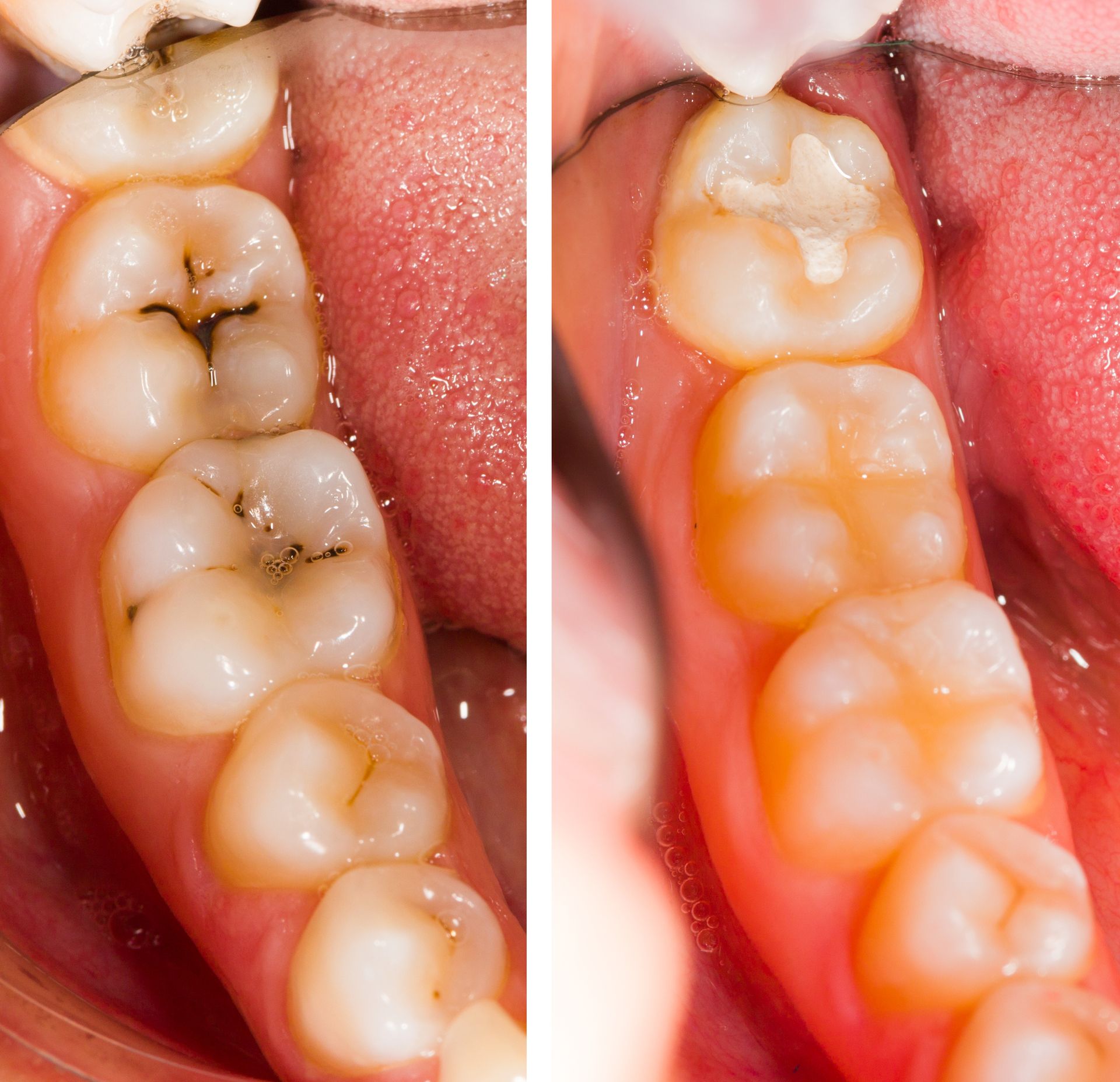
A dental filling may be recommended when decay or damage affects a relatively small portion of a tooth and enough healthy structure remains to support the restoration.
Common situations where a filling may be appropriate include:
- Small to moderate cavities
- Minor areas of tooth damage
- Certain worn or damaged fillings
- Teeth with sufficient remaining structure to support a filling
At Saucon Valley Dental, we offer tooth-colored fillings designed to blend with the natural appearance of your teeth.
These composite restorations can be used on front or back teeth, depending on the size and location of the area being treated.
According to the American Dental Association's information on tooth-colored fillings, composite materials provide durability and resistance to fracture in many small- to medium-sized restorations.
Although fillings are effective for many dental concerns, they may not provide sufficient support when a significant portion of a tooth has been weakened.
When Might You Need a Dental Crown Instead?
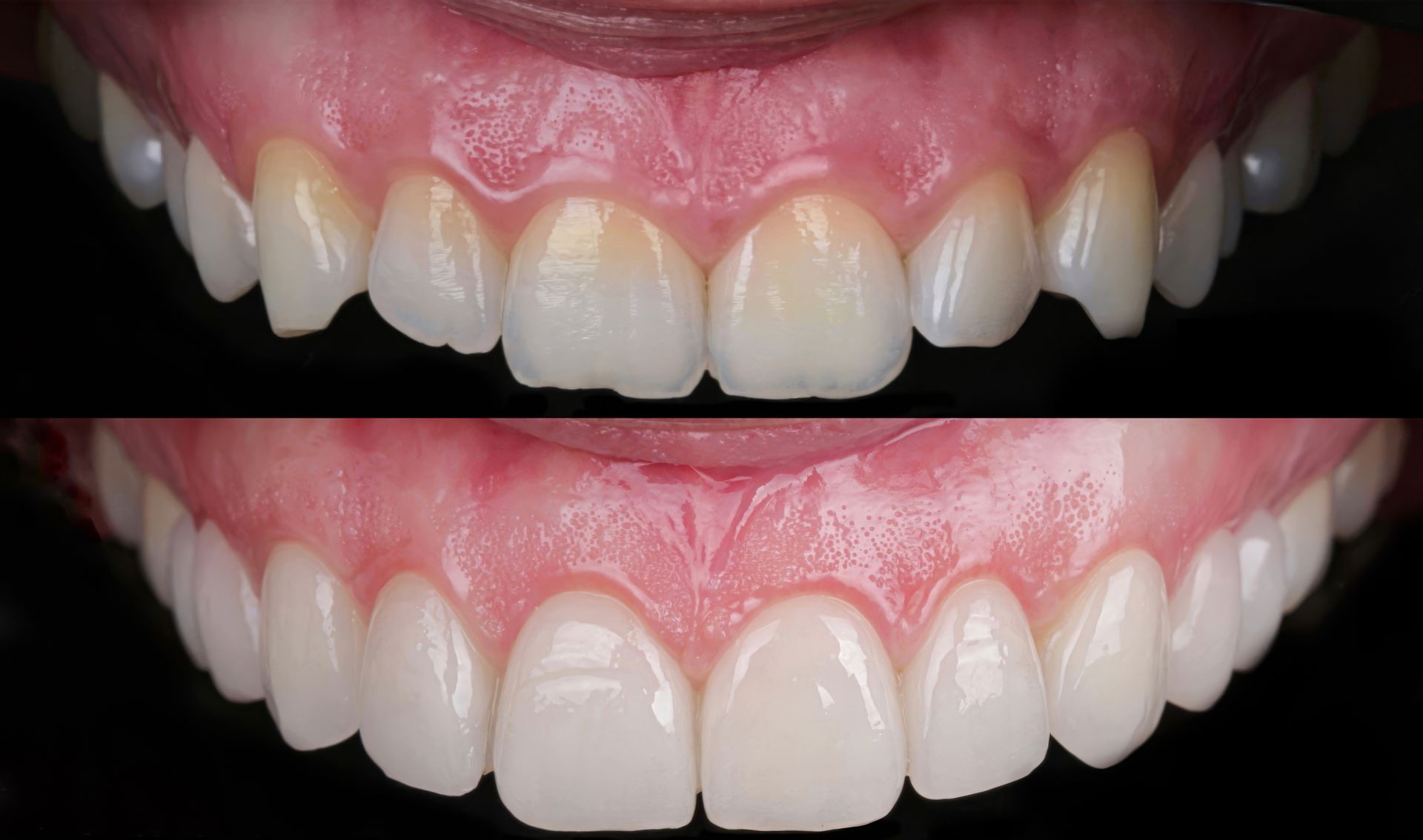
A dental crown may be recommended when a tooth needs more extensive restoration or protection than a filling can provide.
Your dentist may consider a crown if:
- A cavity has affected a large portion of the tooth.
- An existing filling is unusually large or the surrounding tooth has weakened.
- The tooth has a significant fracture or structural damage.
- A tooth needs additional protection following certain dental treatments.
- There is not enough healthy tooth structure remaining for a predictable filling.
A crown can help distribute chewing forces across the restored tooth and reduce the risk of further damage in appropriate cases.
The American Dental Association's guide to dental crowns explains how crowns can strengthen teeth with large fillings, protect weakened teeth, and restore teeth that have already broken.
However, not every damaged tooth needs a crown. Your dentist will evaluate whether a more conservative restoration can adequately protect the tooth.
Can a Large Cavity Be Treated With a Filling?
Sometimes, but it depends on how much healthy tooth structure remains.
A larger cavity may weaken the walls or chewing surfaces of a tooth. Even after the decay is removed, the remaining structure may not be strong enough to support a conventional filling over time.
In these situations, your dentist may recommend a crown to provide additional coverage and protection.
Other restorative options may also be appropriate depending on the location and extent of the damage.
For example, an inlay or onlay may sometimes restore a tooth that requires more coverage than a traditional filling but does not need a full crown.
The best choice depends on the condition of the individual tooth, not simply the size of the cavity.
Can an Old Filling Be Replaced With a Dental Crown?
Yes. In some cases, a dental crown may be recommended when an older filling has failed or the surrounding tooth structure has become weakened.
Over time, fillings can wear down, loosen, fracture, or develop problems around their edges. A tooth with a large existing filling may also be more vulnerable to damage if relatively little natural tooth structure remains.
However, replacing a filling does not automatically mean you need a crown.
If the remaining tooth is healthy and structurally sound, replacing the filling may be sufficient.
Your dentist will consider the size of the existing restoration, the condition of the surrounding tooth, and whether additional protection is necessary.
How Does a Dentist Decide Between a Crown and a Filling?
Choosing the appropriate restoration begins with a dental examination.
Your dentist may evaluate several factors, including:
1. The amount of tooth damage
Smaller areas of decay may be treated with a filling, while extensive damage may require greater coverage.
2. The amount of healthy tooth remaining
The strength and stability of the remaining tooth structure are important considerations when selecting a restoration.
3. The tooth's location
Back teeth experience substantial chewing forces, which can influence the type of restoration recommended.
4. Existing dental work
Large or deteriorating fillings can affect the condition of the surrounding tooth.
5. Long-term oral health
Your dentist will consider how well the proposed restoration is expected to function and protect the tooth over time.
At Saucon Valley Dental, our approach emphasizes clear communication and personalized treatment recommendations.
We want patients to understand their dental health and the reasons behind their recommended care.
How Can You Help Protect Your Fillings and Crowns?
Whether you have a filling or a crown, consistent oral hygiene and routine dental visits are important for maintaining your restoration and the surrounding teeth.
Helpful habits include:
- Brush twice daily with fluoride toothpaste.
- Clean between your teeth every day.
- Avoid chewing ice or using your teeth to open packages.
- Schedule regular dental examinations and professional cleanings.
- Contact your dentist if a restoration feels loose, breaks, or becomes uncomfortable.
A crown protects the covered portion of a tooth, but the tooth can still develop decay near its edges. Likewise, a filling does not prevent new cavities from forming elsewhere.
Routine dental care helps your dentist monitor existing restorations and identify concerns before they become more serious.
For additional guidance, explore our dental services in Hellertown, PA, including preventive and restorative treatments.
Is a dental crown better than a filling?
Not necessarily. A filling may be the more conservative choice for smaller areas of damage, while a crown may provide better protection when a tooth is significantly weakened. Your dentist can recommend the appropriate treatment after examining the tooth.
Does getting a dental crown hurt?
Dental crown preparation is typically performed using local anesthesia to help keep you comfortable. Some temporary sensitivity or soreness may occur afterward. Contact your dentist if you experience severe or persistent discomfort.
How long do dental fillings and crowns last?
The lifespan of either restoration varies based on the material, location, oral hygiene habits, chewing forces, and other factors. Both fillings and crowns may eventually need repair or replacement.
Can you get a filling instead of a crown?
Sometimes. If enough healthy tooth structure remains, a filling may be appropriate. However, a filling may not offer adequate support for a severely weakened tooth. A dental examination is necessary to determine which option is suitable.
Do I need a crown if my tooth doesn't hurt?
Possibly. A tooth can have significant decay, cracks, or structural weakness without causing noticeable pain. The need for a crown depends on the tooth's condition rather than pain alone.
Personalized Restorative Dental Care in Hellertown, PA
If you've been told you need a dental crown or filling, understanding your options is an important part of making informed decisions about your oral health.
At Saucon Valley Dental, we provide comprehensive dental care for patients in Hellertown, PA, and surrounding communities. Led by Jeffrey R. Wert, DMD, our practice focuses on gentle, attentive treatment and helping patients maintain healthy smiles.
Whether you need a tooth-colored filling, a dental crown, or an evaluation of an existing restoration, our team can help you understand the available options.
Contact Saucon Valley Dental to request an appointment or call 610-748-7001 to discuss your dental care needs.
Recent Posts